Why I Believe in Therapy: The Science, the Soul, and Why You Deserve an Hour That Is Just Yours
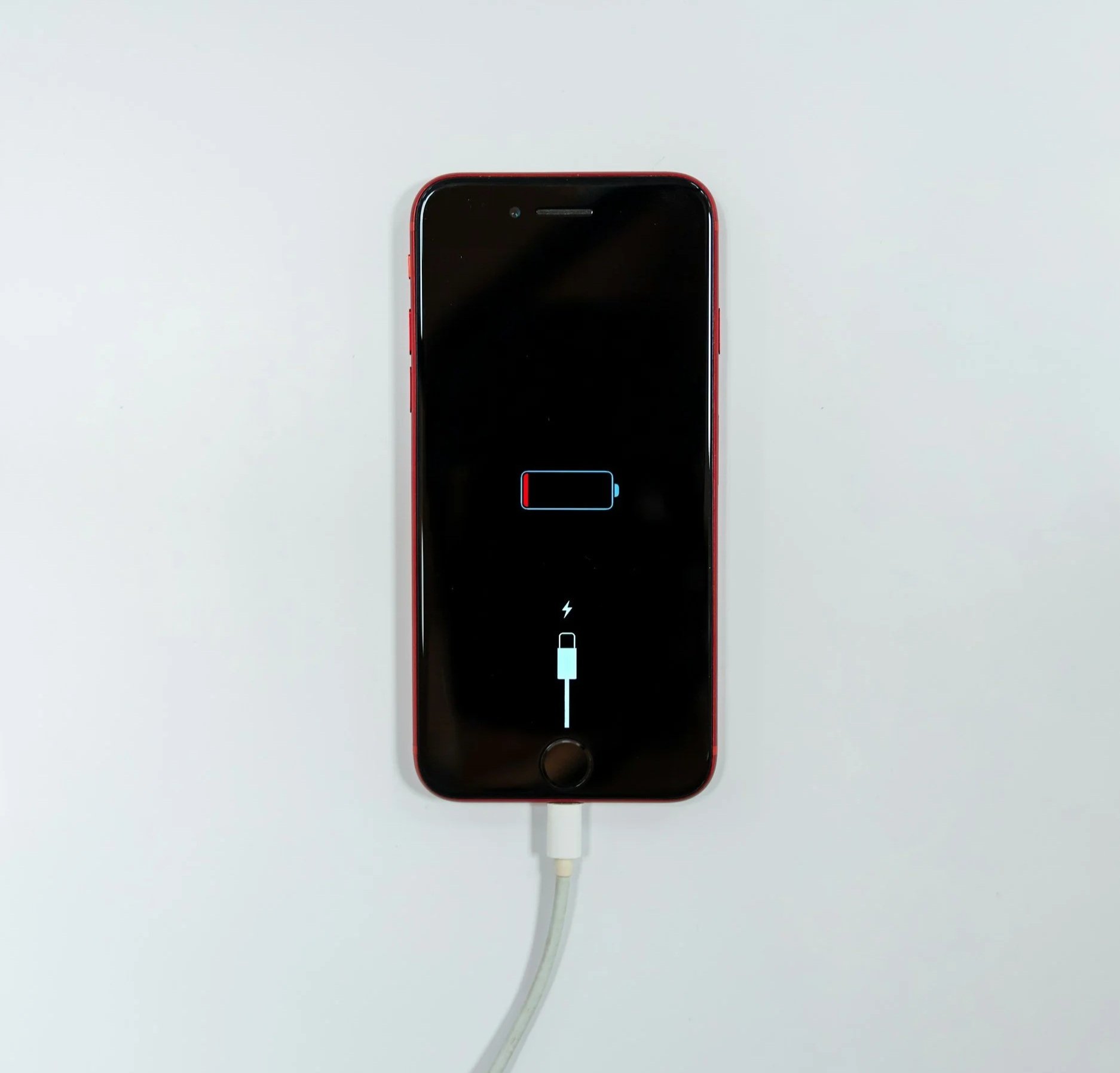
Let’s be honest for a second. If your phone battery dropped to 4% every single day by lunchtime, you wouldn't tell the phone to just try harder. You wouldn't call it lazy or broken. You'd plug it into a charger, check what background apps were draining the battery, and give it some breathing room.
Yet, when our internal batteries hit zero, we tend to do the exact opposite. We scold ourselves, push through the brain fog, and keep running on empty.
If you are navigating the relentless pace of modern life, feeling that quiet, persistent hum of overwhelm, or perhaps managing the deep exhaustion of neurodivergent burnout, you are so far from alone. As a therapist who offers online counselling UK wide, I talk to brilliant, sensitive, wonderful people every single week who feel like they are constantly failing an exam they never signed up to take.
That is why I believe in therapy. Not as a clinical intervention to fix you, but as a sanctuary. Let’s dive into the science, the history, and the profound human magic of giving yourself an hour that belongs entirely to you.
Why do people actually go to therapy, and is it really for everyone?
Yes, absolutely. Everyone can benefit from accessing their emotions, understanding where they come from, and seeing how those patterns quietly shape everyday life without needing a formal crisis to justify it.
You don't need to be at rock bottom to deserve a non-judgemental space to unpack your metaphorical backpack. Therapy isn't just about putting out fires; it’s about learning how your internal operating system actually works. Whether you're trying to figure out why your boundaries keep collapsing, why people-pleasing is your default setting, or why your brain feels like a browser with 47 open tabs, exploring your emotions helps you make sense of your lived experience.
When you engage in humanistic counselling online, the goal isn't to change who you are or squeeze you into a neurotypical mold. It’s about building self-understanding, untangling old survival habits, and learning how to exist in the world without constantly holding your breath.
What did early psychotherapy teach us about the healing power of the mind?
Early pioneers like Sigmund Freud mapped out the hidden depths of our unconscious mind, showing that what we bury doesn't disappear; it just runs our operating system from behind the scenes. The father of Humanistic therapy Carl Rogers later revolutionized this by proving scientifically that human growth doesn't come from a doctor fixing a broken cog, but from a reliable, safe, non-judgmental relationship between a therapist and a client.
If we look back at the roots of psychotherapy, it's fascinating to see how far we've evolved. In the early days, psychoanalysis focused heavily on unearthing buried conflicts: bringing the unconscious into the light so it stopped dictating our present. Freud showed us that our past patterns leave fingerprints all over our daily reactions.
Then came Carl Rogers in the mid-20th century with person-centred humanistic psychology, and everything shifted. Rogers understood that human beings don't need to be analysed from a distant, clinical pedestal. Instead, he researched, studied and found that growth happens when someone meets you with three core conditions: genuine congruence, deep empathy, and unconditional positive regard. He believed that when you are truly accepted exactly as you are, your natural, innate capacity to heal and grow takes over. That philosophy is the beating heart of neurodivergent affirming therapy today: meeting you where you are, not where society thinks you "should" be.
What does modern science say about why therapy actually works?
Modern neurobiology and decades of research into the "therapeutic alliance": the trusted, collaborative bond between client and therapist: show that healing happens in connection. Science confirms that relational safety helps regulate our nervous systems, turning down survival mode and allowing genuine neural rewiring.
If you’re wondering whether all this talking actually does anything measurable, modern science has a resounding answer. Decades of psychotherapy research point to the therapeutic alliance as one of the most powerful predictors of positive change: often mattering far more than any specific technique or clinical brand.
In neurobiological terms, when you experience genuine emotional safety and non-judgmental attunement with another person, your nervous system responds. The constant hyper-vigilance of fight-or-flight eases up. Co-regulation: the calming, steady presence of a supportive human helps dial down limbic reactivity and supports prefrontal cortex integration. In plain English: your nervous system learns that it is finally safe to put down the heavy armour. You are quite literally rewiring your relational pathways in real time.

Why do modern life and hustle culture leave us so burnt out and disconnected?
Modern life is a relentless cycle of hustle culture, constant digital connectivity, and invisible pressure to mask or keep up. For sensitive and neurodivergent nervous systems, this constant sensory and emotional static leads straight to deep depletion and burnout.
Let’s talk about the world we are trying to survive in right now. Pushing through notifications, emails, social expectations, and the subtle or overt pressure to perform can feel like running an ultramarathon barefoot.
If you are neurodivergent (whether self-diagnosed, formally diagnosed or late-diagnosed), you're likely spending a massive amount of cognitive energy on masking: subtly monitoring your facial expressions, pacing your speech, and overriding your sensory boundaries just to fit in. Over time, that chronic mismatch between how your brain naturally works and what the world demands of you creates severe cumulative exhaustion. If you've been searching for therapy for burnout UK wide, you already know that rest alone isn't always enough when your nervous system has forgotten what safety feels like.
Why is having an hour that is completely yours so nourishing?
Having dedicated time that is yours: where no one needs anything from you and there's no performance required: is incredibly special and nourishing. It acts as an anchor in a chaotic week, giving your nervous system the rare gift of putting down the heavy armour.
Think about your average week. How many hours do you spend managing other people's expectations, working, caring for your home, or anticipating what someone else needs? Most of us live in a state of outward orientation.
An online counselling session with a humanistic therapist like me offers something radical: a protected 50-minute pocket of time where you are the absolute priority. There is no right or wrong way to use it. You can bring tears, frustration, chaotic half-formed thoughts, or quiet silence. You don't have to entertain, explain yourself carefully, or make anyone else comfortable. That kind of dedicated, sacred space is deeply restorative. It’s an anchor that reminds you that your inner world matters just as much as everything you produce for the outside world.
Ready to explore your own rhythms?
If you are tired of carrying everything in your head and want a gentle, non-judgmental space to unpack, I’m right here. You don't need a polished agenda or a neat diagnosis to get started.
Take a look at how online counselling UK works, read more about my neurodiversity-affirming approach, or make an enquiry on the website when you feel ready.
And if you want daily doses of gentle solidarity, nervous system reminders, and feminine comfort while you scroll, come say hi over on Instagram at @counsellor_in_therapy.
You deserve an hour that is entirely yours. Let’s make space for it. 🌸✨