Finding a Neurodiversity-Affirming Therapist UK: 5 Questions You Should Ask Before Booking

Finding a therapist can feel like a lot.
There are profiles to read. Qualifications to decode. Emails to write. Decisions to make.
And if your brain is already tuning into four radio stations at once, the search itself can become one more source of overwhelm.
You might be wondering:
Will they understand masking?
Will I have to explain ADHD or autism from the beginning?
Will I be judged if I don’t have a formal diagnosis?
These are completely reasonable questions.
A neurodiversity-affirming therapist should make space for your questions, not make you feel awkward for asking them. You’re allowed to take your time. You’re allowed to contact more than one therapist. You’re allowed to notice how their words make you feel.
Here are five questions that can help you find the right fit.
1. What does neurodiversity-affirming therapy mean to you?
A neurodiversity-affirming therapist understands autism, ADHD and other neurotypes as natural variations in human experience. They focus on your wellbeing, identity, environment and support needs rather than trying to make you appear more “typical”.
The phrase neurodiversity-affirming is increasingly used by therapists, directories and services.
But a label on a website is only the beginning.
It’s worth asking what the phrase means in their actual practice.
A genuinely affirming answer may include:
Respect for neurodivergent identity.
Recognition that distress can be shaped by inaccessible environments and social expectations.
A strengths-based approach.
Flexibility around communication, sensory needs and processing time.
No goal of making you hide, suppress or perform your natural ways of being.
You might listen for whether they talk about difference rather than deficit.
Do they describe neurodivergence as something to understand? Or do they mainly use language about fixing, correcting or reducing traits?
That difference matters.
If you’ve spent years feeling like a tangled bundle of fairy lights that everyone else keeps trying to straighten, therapy shouldn’t be another person pulling at the wires. It should be a space where you can gently understand the pattern, find the loose connections and decide what feels supportive for you.
Research into autistic camouflaging has found associations between higher levels of masking and increased anxiety, depression and lower wellbeing. Hull and colleagues’ foundational research also described the exhaustion and identity strain that can come from constantly performing a socially expected version of yourself.
That doesn’t mean every difficult feeling is caused by masking. Human experiences are complex. It does mean your coping strategies deserve curiosity rather than judgement.
You can read more about this in What Does Neurodiversity-Affirming Therapy Actually Look Like?.
2. What experience and training do you have with neurodivergent adults?
A therapist who supports neurodivergent clients should be able to explain their experience clearly and honestly. Look for specific understanding of autism, ADHD, AuDHD, masking, burnout, sensory overwhelm, executive functioning and late identification.
You don’t need to interrogate anyone.
This is not an interview panel with clipboards and a tiny waiting-room.
You’re simply gathering information that helps you feel safer.
You could ask:
“What experience do you have working with autistic or ADHD adults?”
“Have you completed any neurodiversity-specific training or continuing professional development?”
“How do you keep your understanding informed by neurodivergent voices?”
“Do you work with people who are self-identified or waiting for assessment?”
Specific answers are helpful.
For example, a therapist might talk about supporting someone through burnout, exploring people-pleasing, or adapting sessions for a client who needs more processing time. They should also be comfortable saying when something is outside their scope of practice.
It’s okay if a therapist does not have lived experience of neurodivergence.
Lived experience can be meaningful, but it is not the only route to compassionate, skilled support. Training, humility, accountability and a willingness to listen matter too.
You can also check whether the therapist is accountable to a recognised professional body, such as the British Association for Counselling and Psychotherapy, the UK Council for Psychotherapy, the National Counselling Society or another relevant organisation.
The BACP guide to how therapy works offers more information about choosing a counsellor and understanding the therapeutic relationship.
3. How would you adapt therapy for my communication and sensory needs?
A neurodivergent affirming therapy space should be flexible enough to meet you as you are. This may include adapting the pace, communication style, session structure, sensory environment or use of eye contact.
There is no single way to “look” comfortable in therapy.
You might need to move, doodle, stim, look away or keep your hands busy while you speak. You might need longer pauses to find the words. You might communicate in a very direct way.
None of these things mean you are disengaged.
Sometimes your brain is simply processing the conversation, your emotions, the lighting, the background noise and the fact that someone has asked an unexpectedly enormous question… all at once.
You can ask:
“Is it okay if I don’t make eye contact?”
“Can I move or use a fidget during sessions?”
“What happens if I need a pause?”
“Can I turn my camera off if I feel overwhelmed?”
“Could I use notes, chat or written communication when speaking feels difficult?”
“How predictable are the sessions, and will you let me know before changing the structure?”
A helpful therapist will not assume that one adjustment works for everyone.
They will ask what helps you feel connected. They may also review this with you over time, because your needs can change depending on sleep, stress, hormones, workload, sensory load and where your internal battery is sitting that day.
With online counselling in the UK, you may be able to create a more comfortable setting at home. You can choose your lighting, wear familiar clothes, bring a drink, use headphones or sit somewhere that feels grounding.
Online therapy is not automatically accessible for everyone. Camera fatigue, privacy and technology can bring their own challenges. The important thing is being able to talk about those needs openly.
4. How do you work with masking, burnout and self-identification?
An affirming therapist will respect your self-understanding, whether you have a formal diagnosis, are waiting for assessment or are beginning to explore whether autism or ADHD might explain parts of your experience.
You do not need a diagnosis to deserve support. Therapy can focus on what you are experiencing now, including anxiety, low mood, burnout, relationships, identity and feeling overwhelmed.
This question can be especially important if you were identified later in life.
Many women and gender-diverse people become experts at appearing fine. You may be reliable at work, caring in relationships and excellent at remembering everyone else’s needs.
Sometimes it looks like coping…
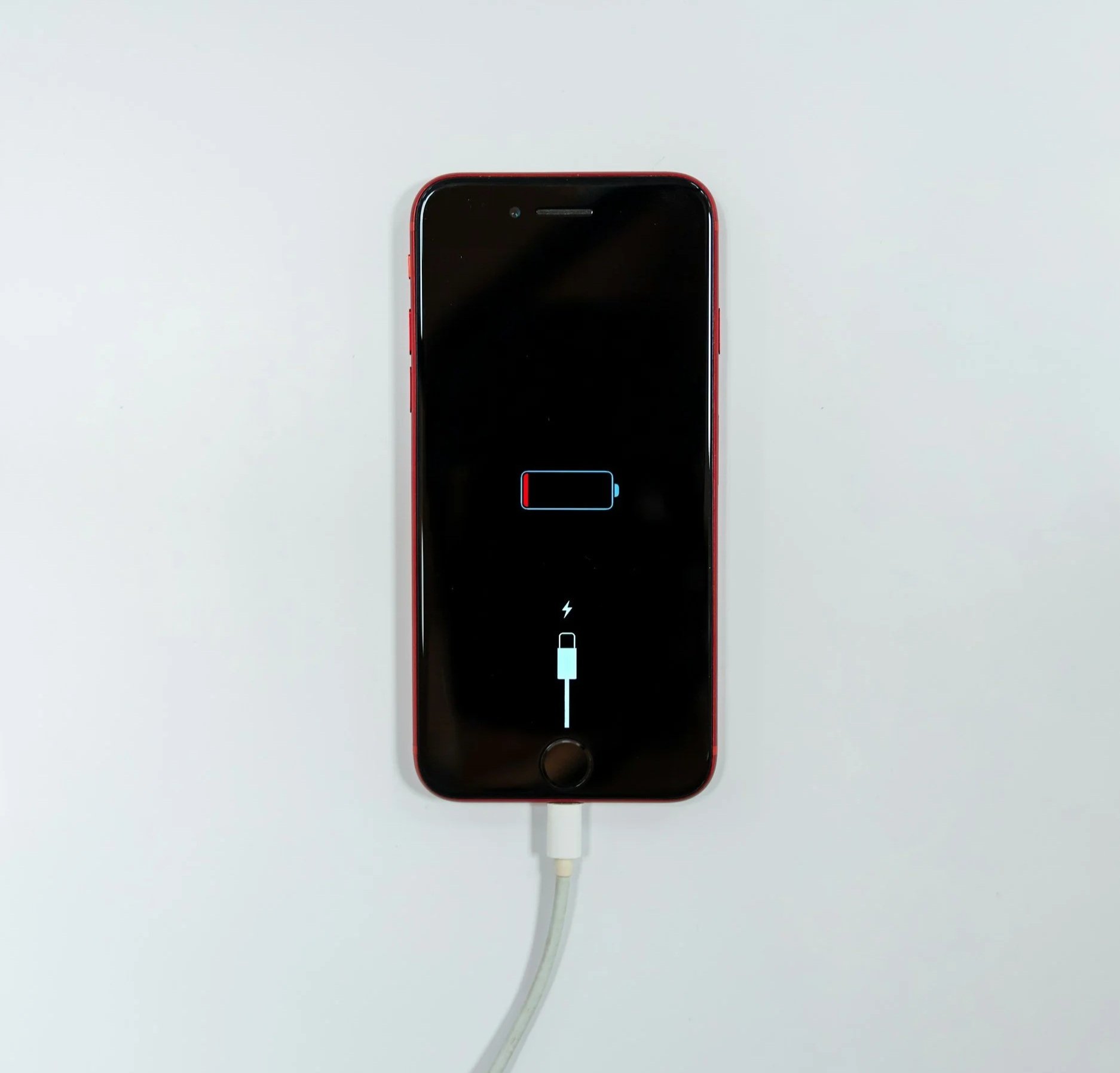
But inside, it can feel like your chargers are all plugged in, yet none of them are actually reaching your battery.
You might ask:
“What are your thoughts on self-identification?”
“How do you understand masking?”
“How would you support someone experiencing autistic or ADHD burnout?”
“Will therapy focus on helping me function more like a neurotypical person?”
“How do we make space for both my challenges and my strengths?”
A neurodiversity-affirming therapist will not treat your diagnosis, or lack of one, as the whole story.
They will be curious about your lived experience.
They may help you explore the patterns that once protected you but now leave you exhausted. Perhaps people-pleasing helped you avoid conflict. Perhaps perfectionism helped you feel safe. Perhaps over-preparing helped you manage uncertainty.
The aim is not to shame these strategies.
It is to understand them, notice what they cost and explore whether you want more choice in how you respond.
The National Autistic Society provides information about diagnosis and the stages before, during and after assessment. You can also read Do You Really Need a Formal Diagnosis?.
5. What can I expect from therapy, and how will we know if we’re a good fit?
A therapist should be able to explain the practical side of working together, including session length, fees, communication, confidentiality and what happens in the first session. You should also leave the initial conversation with enough information to notice whether you feel comfortable continuing.
The relationship matters.
You can find the most beautifully written therapy profile in the world, but if you feel tense, dismissed or pressured when you speak to the therapist, that information matters too.
You might ask:
“What happens in the first session?”
“How long are sessions?”
“How often do we meet?”
“What is your fee and cancellation policy?”
“How do you handle confidentiality?”
“Can I give feedback if something isn’t working for me?”
“What happens if I need to pause or end therapy?”
At Counsellor in Therapy, sessions are 50 minutes and usually take place weekly. I (Roxy) offer a free 20-minute introductory call so you can ask questions, share what has brought you to therapy and get a sense of whether working together feels right.
There is no pressure to arrive with a perfectly organised explanation.
You don’t need to bring a neat list of symptoms, a five-year plan or a folder labelled “Reasons I Am Allowed To Need Help”.
You can simply say:
“I feel overwhelmed and I’m not sure where to begin.”
That is enough.
I work as an integrative humanistic counsellor. This means the relationship sits at the centre of the work, with sessions shaped around your pace, your needs and what feels important to you. The space is confidential, non-judgemental and strengths-based.
You can explore how I work and read more about neurodivergent burnout.

How do I know if a therapist is truly neurodiversity-affirming?
A neurodiversity-affirming therapist will listen to your answers, welcome questions and show flexibility in practice, not just use affirming words on a profile. You should feel able to discuss your communication style, sensory needs, identity and goals without being treated as difficult or too much.
Notice how you feel after making contact.
Do you feel more informed?
A little softer around the edges?
Or do you feel as though you have already failed a secret test?
Your response can tell you something.
You are allowed to contact a therapist and decide not to book. You are allowed to ask for clarification. You are allowed to say, “That approach doesn’t feel right for me.”
Finding the right therapist may take a little time.
But the right space should not require you to become smaller, quieter or easier to understand before you are welcomed.
If you’re looking for a neurodiversity-affirming therapist in the UK, I offer online counselling for women, non-binary and fem-identifying adults aged 18 and over, including diagnosed, undiagnosed and late-identified clients.
You can make an enquiry through my website to book a free introductory call.
You can also follow @counsellor_in_therapy on Instagram for gentle reflections, resources and reminders that you do not need to perform your way into being worthy of support.
You are welcome here, exactly as you are.
Research and further reading
Systematic review: Camouflaging in autism and its relationship with mental health
Counselling Directory: How to find a neuro-affirmative or neurodivergent-aware counsellor
British Association for Counselling and Psychotherapy: How therapy works
