Late Diagnosis 101: A Woman's Guide to Making Sense of ADHD and Autism

If you have spent much of your life feeling like you are reading from a slightly different script than everyone else, you are not alone.
Perhaps you’ve been told you are "too sensitive," "too intense," or "just a bit quirky." Maybe you have spent years wondering why simple tasks feel like climbing a mountain, while you excel in ways others don’t seem to understand.
Sometimes it looks like coping… But inside, it can feel very different.
For many women and non-binary individuals in the UK, the realisation that they might be autistic or have ADHD doesn’t come in childhood. It comes much later: often after a lifetime of trying to fit into a world that wasn't built for their specific rhythms.
This is what we call a late diagnosis. And while it can feel overwhelming, it is also a powerful invitation to finally meet yourself, exactly as you are.
Why are so many women diagnosed later in life?
It isn't that ADHD and Autism are "new" or only recently affecting women. It’s that, for a long time, the clinical world was looking for the wrong things.
Research by Martin (2024) in The Lancet Psychiatry highlights that females are significantly less likely to be diagnosed in childhood because their presentation often looks different. While boys might show more visible, externalised hyperactivity, girls often present with "inattentive" traits that are less disruptive in a classroom and therefore go unnoticed by teachers.
Even more striking, a study by Wettstein et al. (2024) challenged long-standing clinician bias by showing that females with ADHD actually show similar levels of objective hyperactivity to males: it’s just that it is often "hidden" or internalised due to social expectations.

For autistic women, the delay is even more pronounced. A systematic review by Marques et al. (2025) found that the average age of an autism diagnosis for women is 28. This delay is often driven by "masking" or "camouflaging": the exhausting process of mimicking social cues to blend in. Milner et al. (2023) from UCL found that this camouflaging is a primary predictor of later diagnosis, as it hides the internal struggle from the outside world.
The emotional "turning point"
Receiving a diagnosis (or even just starting to suspect you are neurodivergent) often brings a whirlwind of conflicting emotions.
According to a study by Holden & Kobayashi-Wood (2025) involving UK women, a late diagnosis is frequently described as a revelatory turning point. It can improve self-understanding and overall quality of life. However, it isn't always a simple "aha!" moment.
Research by Morgan (2023) found that while diagnosis is empowering, it often brings a deep sense of sadness or grief for past missed opportunities. You might find yourself looking back at your younger self with a new level of compassion, wondering how things might have been different if you’d had this "user manual" sooner.
In a qualitative study titled "I felt like a broken person," Baig & Kahya (2025) spoke with UK women aged 28-53. They identified themes of childhood distress and the intense self-advocacy required to even get a diagnosis. They found that many women moved through a complex cycle of identity changes and mixed emotions before finding peace.
The cost of the "wait"
It is important to acknowledge that waiting for answers isn't just frustrating: it has a real impact on wellbeing.
A Welsh population study of over 13,000 individuals by Martin et al. (2026) found that later ADHD diagnosis in females is linked to poorer mental health and socioeconomic outcomes in early adulthood. This is why timely, neuro-affirming support is so vital. Attoe & Climie (2023) emphasize in their review, "Miss. Diagnosis," that the harm from undiagnosed ADHD is significant, but that quality of life improves dramatically once the right support is in place.

Navigating the UK system
If you are currently in the "questioning" phase, the road ahead might look a bit foggy. In the UK, the wait times for an assessment through the NHS can often exceed three years, as noted in recent reports by MDPI Healthcare (2026).
If you are looking for a formal diagnosis, here are the general steps:
The GP Visit: Start by booking an appointment with your GP. It can be helpful to bring a list of "traits" or patterns you've noticed throughout your life, not just recently.
Right to Choose: In England, you may have the "Right to Choose," which allows you to ask for a referral to a private provider that has an NHS contract, often shortening the wait time.
Charity Support: Organisations like ADHD UK and the National Autistic Society offer brilliant resources and community spaces to help you feel less alone while you wait.
However, it is also important to know that you do not need a formal diagnosis to start supporting yourself.
Moving from "broken" to "different"
The goal of neuro-affirming support isn't to "fix" you. It’s to help you unlearn the idea that you were ever broken in the first place.
Seers & Hogg (2022) found that for late-diagnosed autistic women, the journey toward wellbeing is often about moving from "faking it" to authenticity. It’s about finding the freedom to stop masking and to start honouring your own sensory needs and energy levels.
Garcia-Simon et al. (2025) highlight that because masking is such a predominant strategy, the path to healing often involves learning what your actual needs are: without the pressure to perform for others.
How therapy can help (with or without a label)
In my practice at Counsellor in Therapy, I work with many women who are exactly where you are right now. Some have a formal diagnosis, some are self-identified, and some are just starting to notice the patterns.
We focus on:
Validating your experience: Moving away from the "shoulds" and "should-nots."
Slowing things down: Giving you the space to notice your own rhythms without judgment.
Strengths-based exploring: Looking at your neurotype as a natural variation, not a problem to be solved.
Managing burnout: Creating personalised self-care routines that actually work for a neurodivergent brain.
Recent research by Khindey, Keville & Ludlow (2025) stresses the urgent need for female-focused support pathways that understand these unique challenges.
You don’t have to wait for a piece of paper to start feeling better. You deserve to feel seen, heard, and supported as you experience it right now.
A gentle invitation
If life feels loud... if the mask is feeling too heavy... or if you just want a space to "think out loud" with someone who understands, I am here.
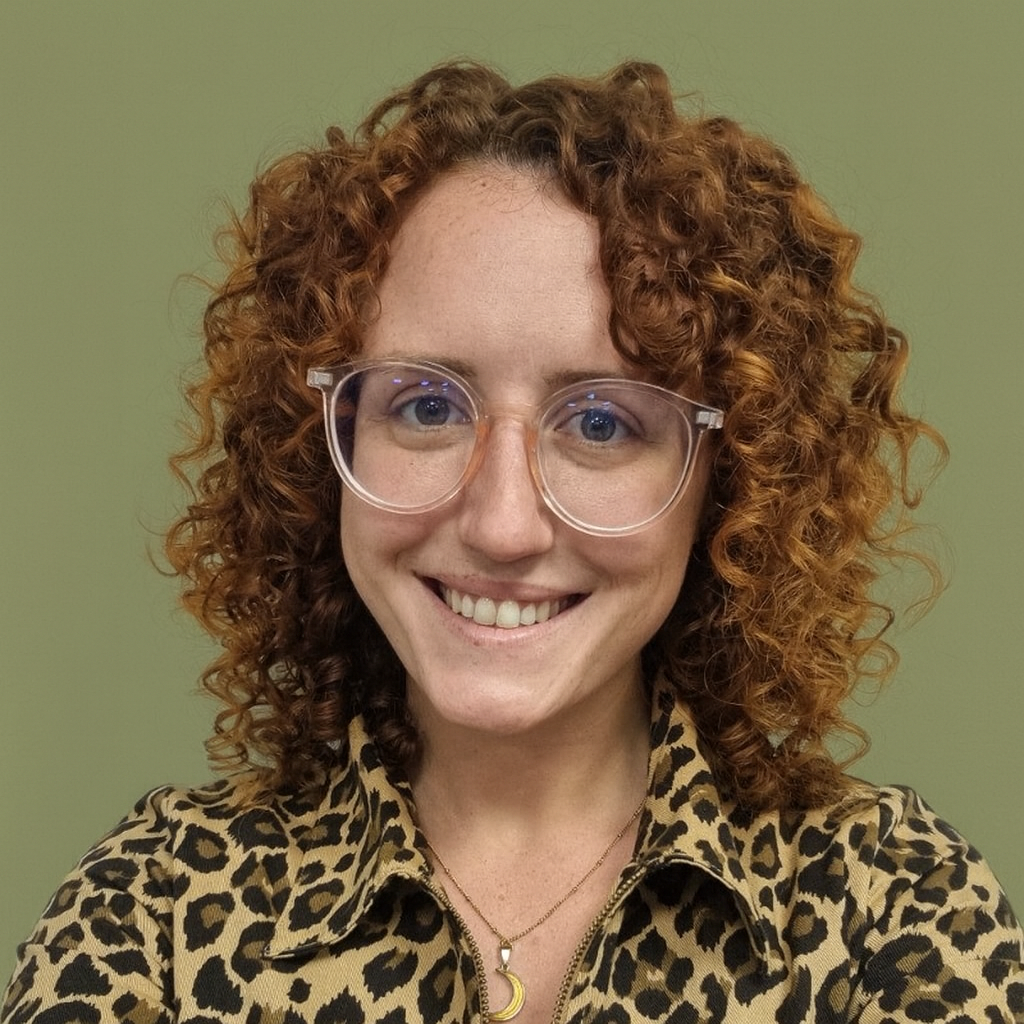
My name is Roxy Henley, and I offer 50-minute online therapy sessions designed specifically for neurodivergent and questioning women. There is no pressure to perform here. You are welcome exactly as you are: messy bits, brilliant bits, and everything in between.
Let’s explore your world together, at your pace.
