Burnout Vs Depression: Why Your "Tiredness" Might Actually Be Neurodivergent Sensory Overload
If you’re reading this, you’re probably beyond "just tired."
Maybe you’ve spent weeks, or even months feeling like every small task is a mountain.
Maybe the idea of making a phone call or deciding what to have for dinner feels physically painful.
When you go to the doctor or talk to friends, the word "depression" comes up a lot.
And while it might feel like a fit in some ways, there’s a part of you that feels… different.
It’s not just a low mood.
It’s a sense that the world has become too loud, too bright, and far too demanding.
If this sounds like your reality, you might not be experiencing clinical depression in the traditional sense.
You might be in the middle of neurodivergent sensory overload or autistic burnout.
When "Tired" Isn't the Right Word
Sometimes it looks like coping.
On the outside, you’re showing up for work, answering emails, and nodding in conversations.
But inside, it can feel very different.
It’s the feeling of being "at capacity."
Like a glass that has been filled to the very brim, and even one more drop of water: one more notification on your phone, one more bright light in the supermarket: will cause everything to spill over.
In my practice at Counsellor in Therapy, I often work with women and non-binary folk who have spent their whole lives wondering why they hit a wall so much harder than everyone else.
Often, they’ve been told they are "too sensitive" or "depressed."
But when we look closer, we find that their "tiredness" is actually a natural response to a world that isn't built for their nervous system.
The Difference Between the "Heavy" and the "Loud"
It’s very common for burnout and depression to be confused because they share a lot of the same space.
Both can make you want to stay in bed.
Both can make you withdraw from the people you love.
But if we pause and notice the quality of the feeling, some key differences start to emerge.
1. Sensory sensitivity vs. Sensory numbness
In clinical depression, the world often feels "muted."
Colours might seem less bright, food might lose its taste, and your emotions might feel flat or numb.
It’s a sense of dimming.
In neurodivergent burnout, the world usually feels "too much."
Instead of things feeling far away, they feel way too close.
The hum of the fridge becomes unbearable. The texture of your clothes feels like sandpaper.
Your tolerance for sensory input has dropped, making the world feel physically painful.
2. Motivation vs. Capacity
Depression often impacts our want. You might technically have the energy to go for a walk, but you can’t find the "why" to do it. The joy has gone.
Burnout impacts our can. You might desperately want to finish that project or see your friend, but your brain literally feels like it has run out of battery.
It’s a capacity crisis, not a lack of interest.
3. The "Why" behind the withdrawal
If you’re depressed, you might isolate because you feel worthless or like a burden.
If you’re burnt out, you isolate because the silence is the only thing that feels safe.
You aren't hiding from people because you don't like them; you’re hiding from the sensory and social demands of interaction so your nervous system can finally stop vibrating.
The Cost of the "Mask"
For many neurodivergent women: whether you have a diagnosis or you’re just starting to explore this for yourself: burnout is often the result of masking.
Masking is the invisible work you do every day to "fit in."
It’s practicing your facial expressions or tone of voice.
It’s suppressing the urge to move or stim when you’re anxious.
It’s forcing yourself to make eye contact when it feels unnatural.
It’s saying "I’m fine" when you’re actually vibrating with overstimulation.
Masking is exhausting.
It’s like running a heavy background program on a computer that’s already low on memory.
Eventually, the system crashes.
This crash is what we often call burnout.
It’s not a "disorder" you need to fix; it’s a sign that you’ve been asked to perform at a level that is unsustainable for a human being.
Moving Toward Regulation, Not Just "Rest"
When people hear "burnout," they often think the answer is a spa day or a long nap.
But for a neurodivergent person, traditional "self-care" can sometimes feel like just another task on the list.
Recovery from sensory overload isn't about doing more: it’s about doing less and noticing what your body actually needs.
Finding your "Quiet"
Recovery might mean spending three hours in a dark room with noise-cancelling headphones.
It might mean eating the same "safe food" for four days in a row because the thought of new textures is too much.
It might mean cancelled plans.
Grounding in the natural world
Sometimes, when the human world feels too loud, the natural world offers a different kind of rhythm.
Nature doesn't ask you to perform.
A tree doesn't care if you're making eye contact.
The wind doesn't expect you to have a witty response.
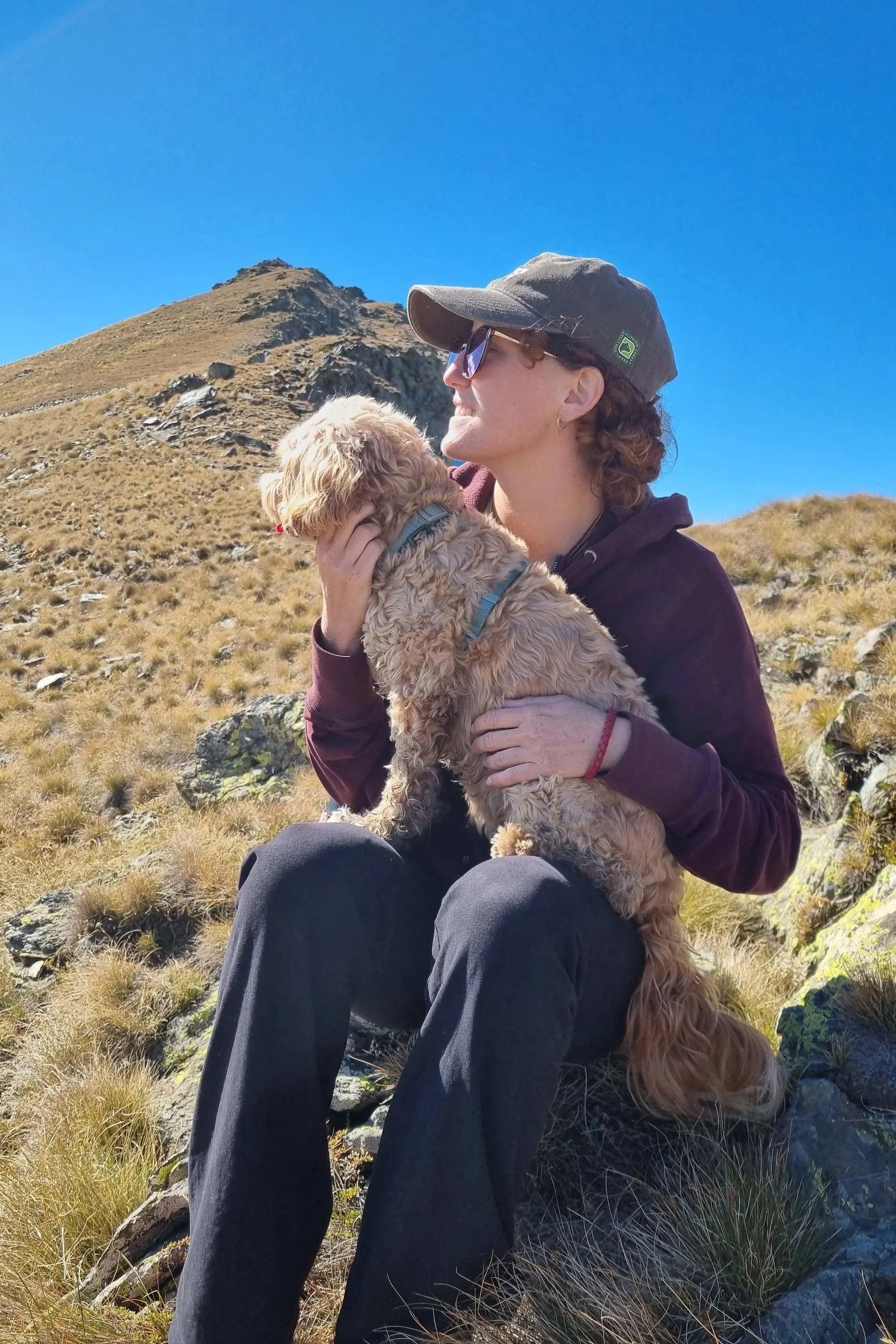
Finding small ways to connect with these rhythms: whether it's sitting on a mountainside or just feeling the texture of a leaf in your garden: can help bring your nervous system back to a state of safety.
How Affirming Therapy Can Help
If you’re feeling lost in the fog of burnout, you don't have to find your way out alone.
In our sessions together, we don't look at you as something to be "fixed."
We look at your patterns with curiosity, not judgment.
I offer integrative humanistic counselling that is specifically designed for neurodivergent minds.
We work together to:
Notice the signs of overload before the "crash" happens.
Unpack the mask and figure out who you are when you aren't trying to please everyone else.
Create personalised self-care routines that actually work for your brain, not a textbook version of one.
Validate your experience so you can stop asking "Am I broken?" and start saying "I am overwhelmed, and that makes sense."
Therapy should be a space where you don't have to perform.
You can show up in your pyjamas, from the comfort of your own sofa, and just... be.
A Gentle Invitation
If life feels loud right now... you’re not alone.
It’s okay to slow things down.
It’s okay to need a different kind of support this time.
If you’re ready to explore your rhythms and find a way of living that feels more connected and less exhausting, I’m here to sit alongside you.
You can learn more about my 50-minute online therapy sessions or reach out to start a conversation.
There is no pressure to "perform" in our first meeting.
We’ll just take it one breath at a time.
You aren’t broken.
You’re just navigating a world that hasn't learned your language yet.
Let’s find a way to make things feel a little bit quieter together.
